












This Month in the Garden: Essential October Jobs for Autumn Gardening Success
-
 Mon - Fri 8.30am -
5.00pm
- Sat 8.30am - 5.00pm
- Sun 9.30am - 4.00pm (Tills open 10am)
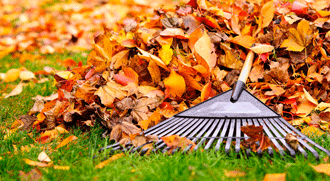
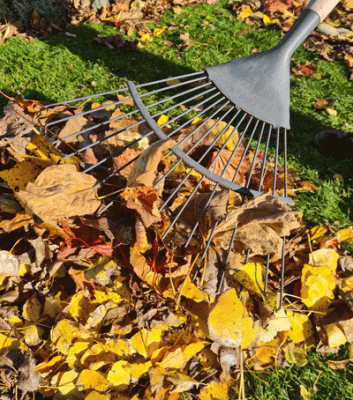
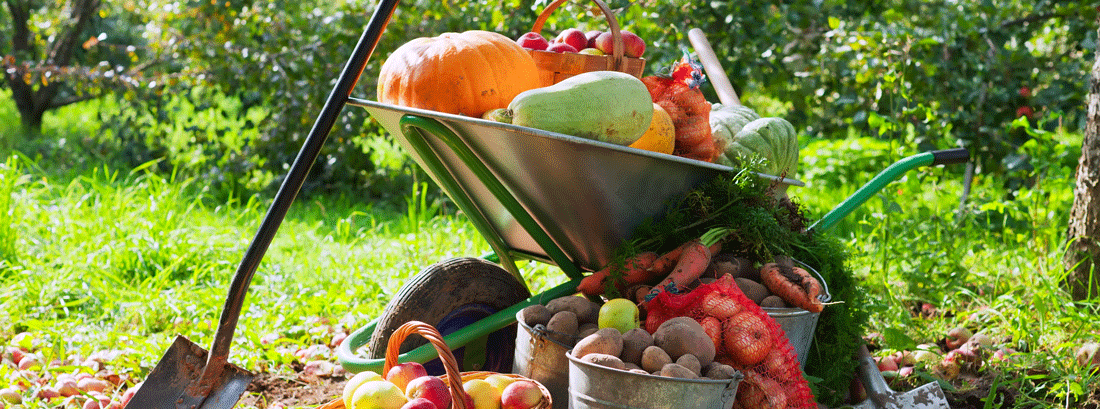
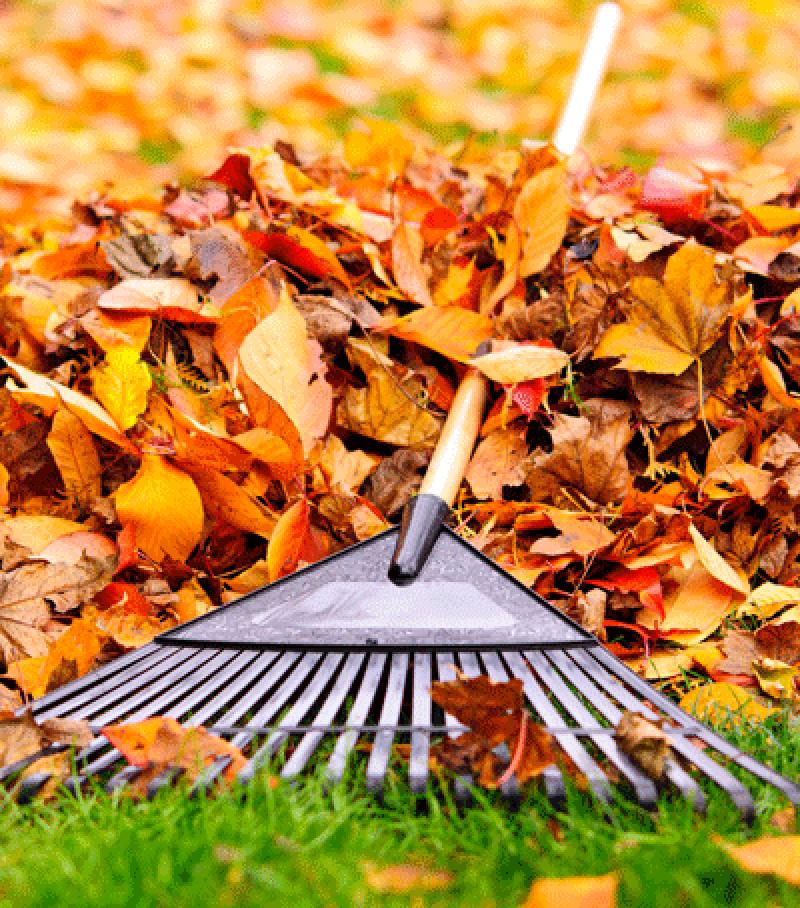
October brings a spectacular shift in the garden. Trees glow with autumn colour, leaves begin to fall, and the first frosts edge ever closer. With soil still holding summer warmth, it’s an ideal month for planting, preparing, and protecting your garden for the colder season ahead. Fallen leaves are a gift — perfect for making rich, crumbly leaf mould that will benefit your garden for years to come.
Click here to read our Making Leaf Mould blog.
Planting
October is one of the best months for planting and moving trees, shrubs, climbers and hedges. The ground remains warm, helping roots establish before winter sets in.
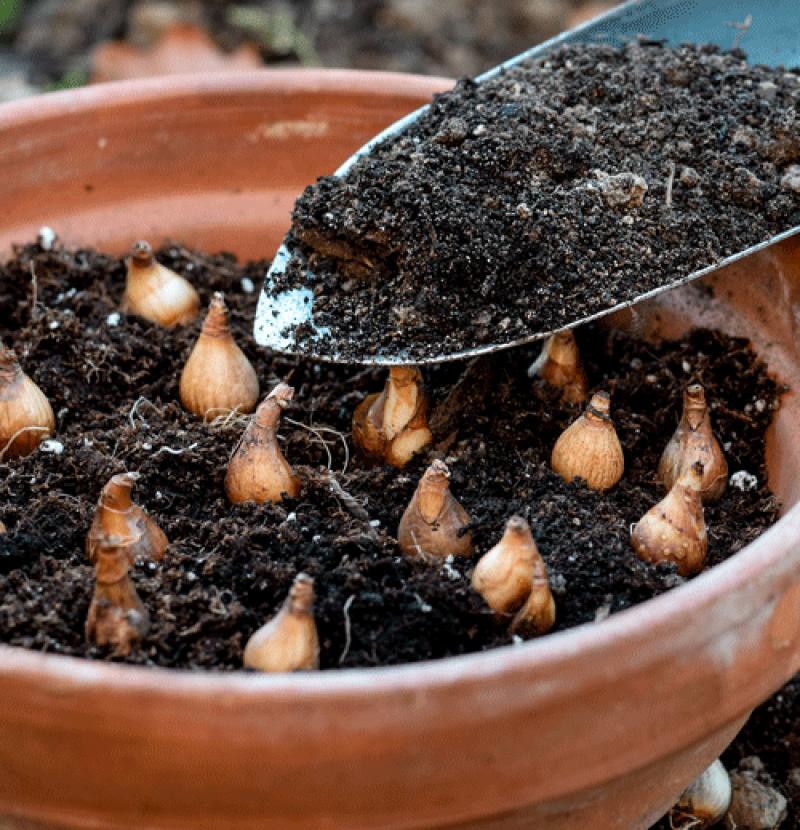
Plant spring‑flowering bulbs for colourful displays next year.
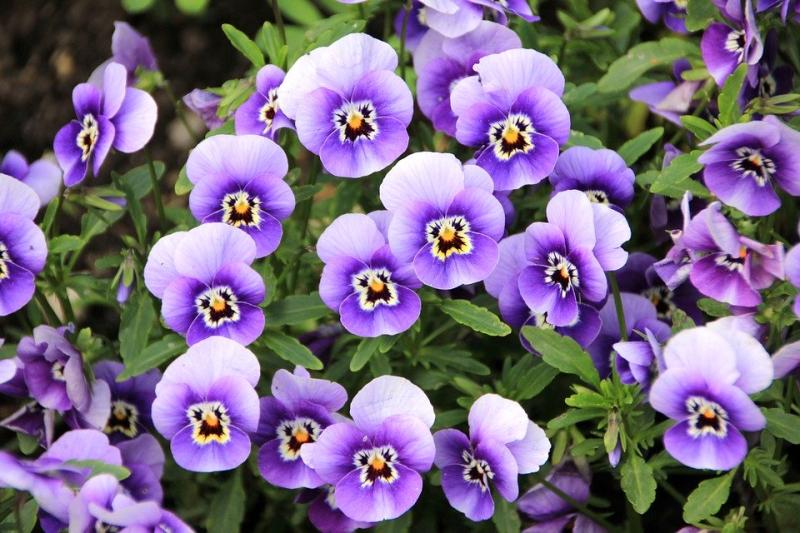
Refresh summer containers with winter bedding such as pansies, violas, cyclamen and wallflowers.
Click here to read our Spring Bulb Planting Made Easy blog.
Pruning & Training
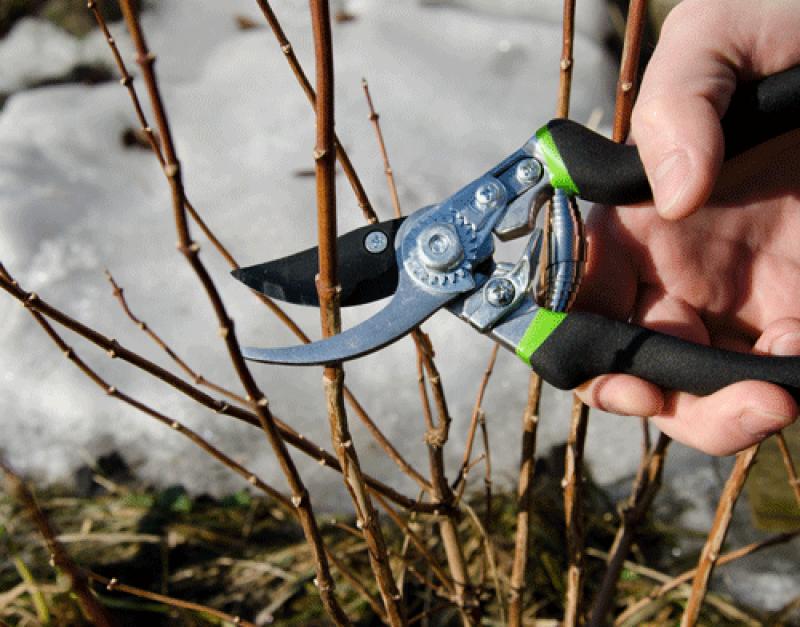
October pruning helps keep plants tidy, healthy and protected from wind damage.
Trim deciduous hedges to keep them neat over winter.
Cut back by half shrubs normally pruned hard in spring — Buddleia davidii, Cornus alba, Lavatera — to prevent wind rock and improve appearance.
Lawn Care
As temperatures fall, lawn growth slows.
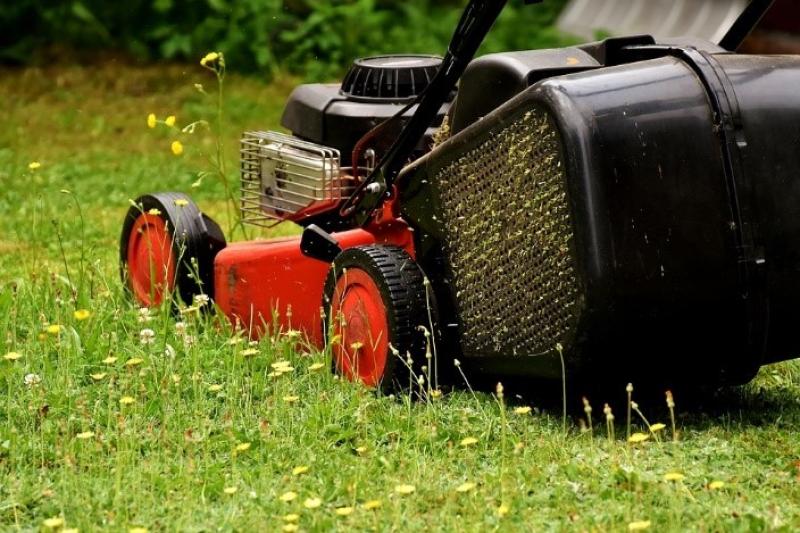
Raise the mower height to at least 2cm (1in) for the final cuts.
After a hot, dry summer, lawns benefit from autumn treatments such as aeration, scarifying and applying an autumn lawn feed high in potash and phosphates.
Avoid high‑nitrogen feeds now — they encourage soft growth prone to frost damage.
Click here to read our Autumn Lawn Care blog.
Edibles
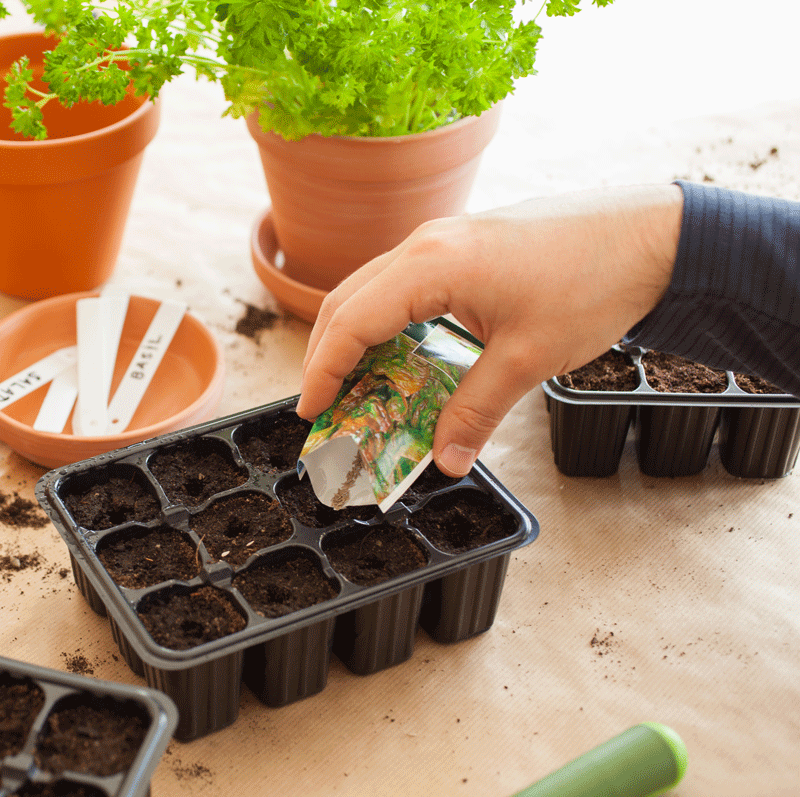
October is a productive month for sowing, planting and harvesting.
Plant asparagus crowns, garlic, onion and shallot sets.
Sow hardy crops: peas, broad beans, hardy lettuce, cabbages, cauliflower, mizuna, pak choi, rocket, landcress, perpetual spinach, mustard leaf, sorrel and endive.
Divide and replant perennial herbs. Many perennial herbs benefit from being divided in autumn, helping them stay vigorous and productive. To divide established clumps, insert two garden forks back‑to‑back into the crown and use them as levers to gently prise the root mass apart. This usually breaks the clump cleanly into two sections, and you can continue dividing from there.
For tougher, woody clumps, you may need a sharp knife, axe or lawn‑edging iron to slice through the centre. Aim to create divisions containing three to five healthy shoots, as these will establish quickly and grow into strong new plants.
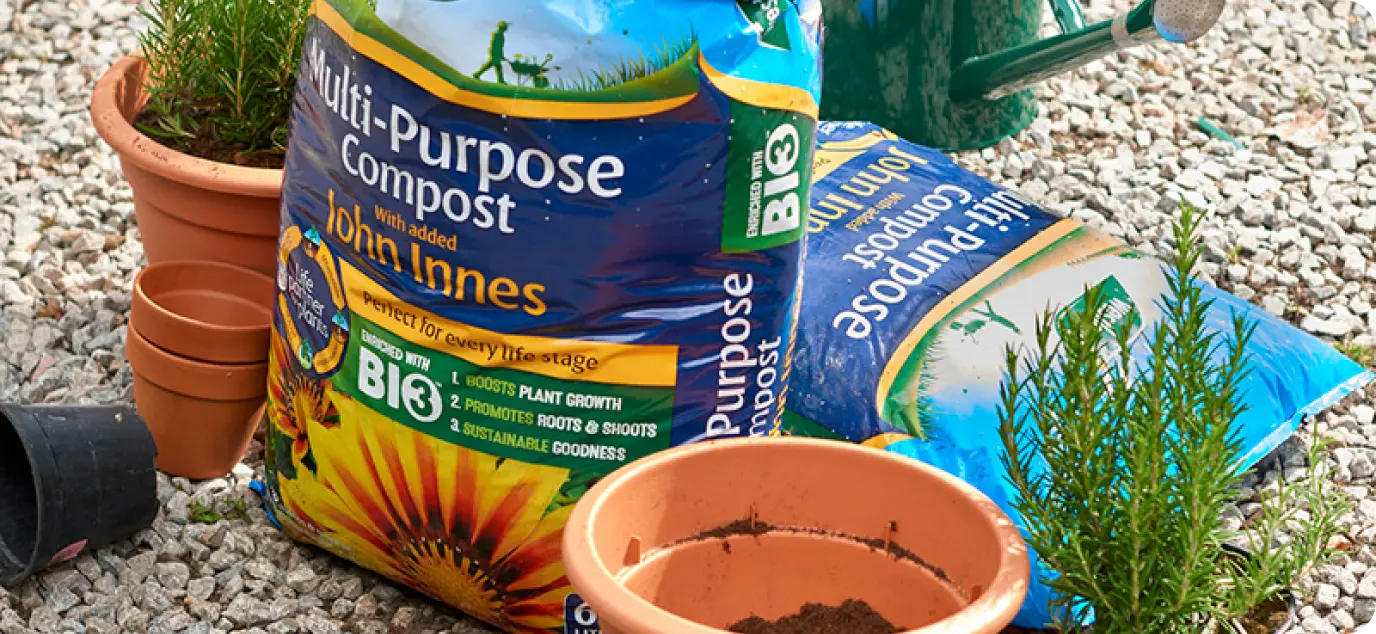
Replant the divisions as soon as possible and water them in well. You can return them to the same spot — adding homemade compost or soil improver first — or move them to a new area of the garden. Alternatively, pot each division individually into peat‑free multipurpose compost and grow them on over winter in a frost‑free environment to build up size before planting out in spring.
Harvest apples, pears, grapes and nuts.
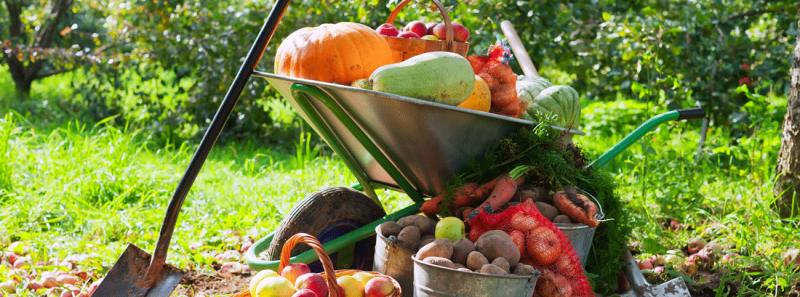
Pumpkins and squash ripen now — when cutting them for storage, leave a few inches of stalk to prevent crown rot.
Clear tender crops such as tomatoes and cucumbers as harvests slow and add them to the compost.
Sow overwintering green manures such as winter tares, grazing rye and Italian ryegrass to enrich soil and protect bare ground.
General Garden Care
October is all about preparation and protection.
Water early‑flowering shrubs (camellias, rhododendrons, azaleas) during dry spells to support bud formation.
Check tree ties and stakes before winter winds arrive.
Collect fallen leaves for composting or leafmould; shredding speeds decomposition.
Cut back perennials that have died down.
Test greenhouse heaters and move tender plants indoors before the first frost.
Protect large tender plants with fleece and insulate pots with bubble wrap.
Replace summer containers with winter bedding or choose from ready‑made seasonal arrangements.
Begin autumn digging from October to December while soil is frost‑free. Add organic matter to improve structure, but avoid digging heavy soil when wet.