












What to plant in Autumn: Your Autumn planting Guide
-
 Mon - Fri 8.30am -
5.00pm
- Sat 8.30am - 5.00pm
- Sun 9.30am - 4.00pm (Tills open 10am)
Whilst the weather may be getting cooler, the soil temperature remains ideal for many plants to establish and thrive. Within this blog, we’ve completed a helpful list of what you should plant this autumn, with a brief guide of how to do it too!
Plant Spring flowering bulbs for colour next year!
Spring-flowering bulbs, such as daffodils, crocuses and hyacinths should be planted from September to October, giving them time to establish roots before Winter, resulting in spectacular displays for the following Spring.
Bulbs can be planted both in beds (borders) or in containers, making them suitable for gardens of any size. For the best results, it is recommended to group bulbs, rather than planting them individually. We would recommend a minimum of 6, though the more bulbs, the better the show in Spring! As a general rule, bulbs should be planted at a depth of around 3 x their height, and twice their width (from other bulbs). Soil should be replaced gently after planting. Water after planting if the soil is dry, though this is rarely necessary in damp Autumn conditions.
For a more in depth guide, we’ve linked our spring bulb blog here - Spring Bulb Planting Made Easy.
Plant Winter Vegetables
There’s many hardy vegetables which can be grown over Winter! They are generally planted in late summer to early autumn, to help them establish themselves before the winter slowdown. Things such as broccoli, kale, broad beans and many more are tasty additions to your garden, and eventually your plate.
Whether you have grown from seedling, or have bought plant packs, each plant will have different requirements. We would generally point growers to the RHS or Charles Dowding website, for specialised written advice on each vegetable plant, however a member of our team will always be on hand to offer advice on growing winter vegetables.
Plant autumn-flowering perennials
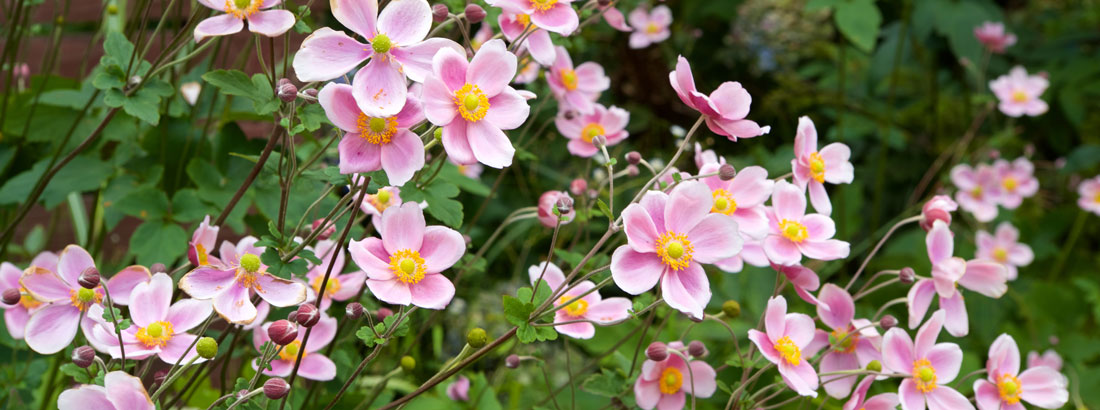
Hardy autumn-flowering perennials (such as Rudbeckia, Anemones & Helenium to name a few) can be planted throughout early Autumn, while the soil is still warm and moist. This helps your plants to go through a period of rapid root growth prior to a dormant stage over winter.
Whether you plant in a pot, or directly into borders is your choice. If you are planting in containers, it’s worth keeping a couple of things in mind:
Heavy autumn rain can quickly water log a pot causing the roots to rot. It’s key to ensure there is excellent drainage.
Potting compost is much more susceptible to repeat freezing and thawing than the ground. It’s always a good idea to move your containers to a sheltered spot, or wrap them in fleece during harsh frosts.
Some autumn-flowering perennials need to be planted in spring as they require a full growing season prior to their first frost. These are known as half hardy. Check with a member of our team if you’re unsure which are safe to plant now (though our stock levels will reflect perennials perfect for autumn planting). For more information - check out the RHS website here - RHS Planting Perennials.
Plant hardy evergreen shrubs
As with the perennials we’ve spoken about above, hardy evergreen shrubs thrive when planted in autumn. As plants stop producing leaves, they direct their energy underground to the roots, before the great freeze we know as winter!
When planting, ensure to dig a hole which is deep and wide enough to accommodate the rootball, with a good amount of space around it, as well as adding a slow release fertiliser as you backfill. Firm the soil and water!
Shrubs such as Euonymus, Mahonias or Fatsias bring year round foliage, and help to add a little joy to bare winter gardens. Other’s such as Cherry Laurel & Holly create wonderful ‘living fences’ aiding privacy through their thick density.
Plant container-grown trees
Container grown trees planted in autumn can continue developing roots long after growth above the surface has slowed. This gives the tree a valuable head start before the heat of summer arrives.
When planting your tree, dig a hole approximately twice the width of the rootball and turn over the soil in the bottom of the hole before planting. This helps with both drainage and root establishment! Before planting, soaking the rootball (by standing the tree in a bucket of water) helps to ‘ready’ the roots for the ground, ensuring they are fully hydrated.
Varieties from Japanese Maples through to Silver Birch and Rowan trees are great examples of what can be planted in Autumn, however the majority of trees benefit from autumn conditions. If you’re not sure whether your tree can be planted out, our in house horticulturalists will be more than happy to help. Simply give them a call on 01206 210 374!
Read our helpful guide here for more information - Autumn Is The Perfect Time For Tree Planting.
Plant winter bedding plants
Winter bedding plants are a fantastic way to keep colour and interest in the garden throughout the colder months. Varieties such as Pansies, Cyclamen and Viola thrive when planted in autumn, establishing themselves before the coldest weather is upon us.
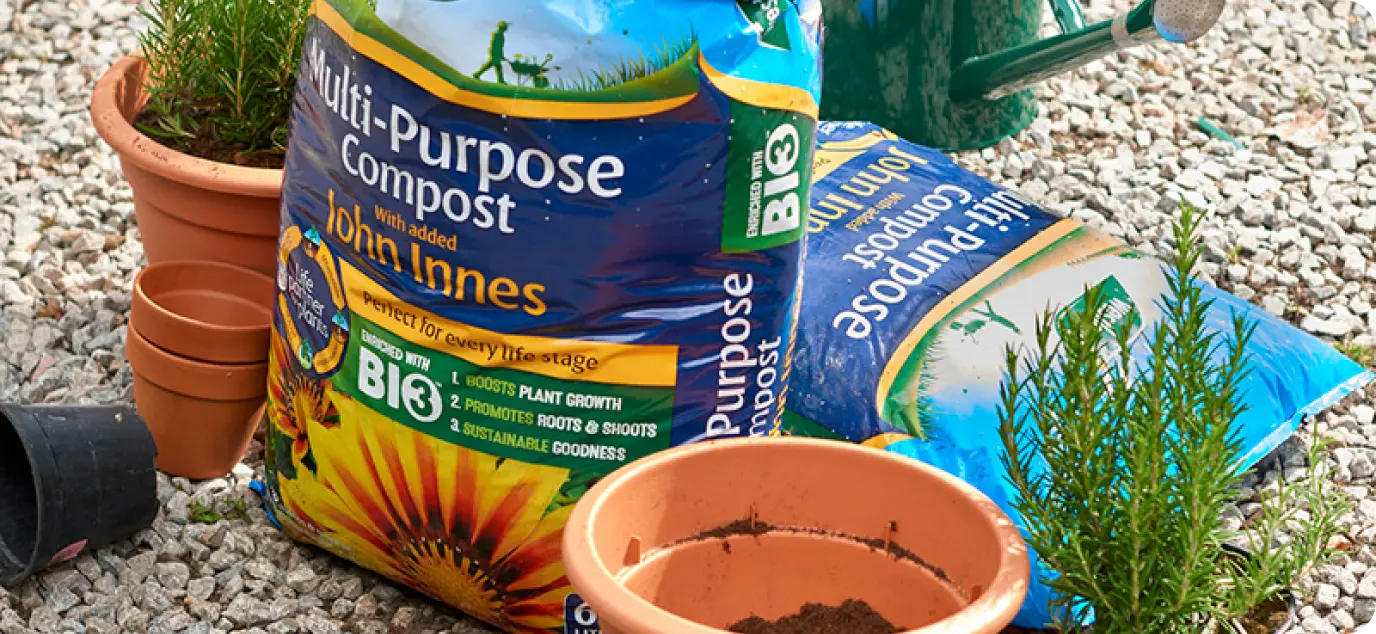
Simply clear away old summer bedding, dig in some fresh multi purpose compost, dig your holes, plant your bedding and you’re ready to go! It’s recommended to place your plants approximately 15 cm apart and ensure there is good drainage.
For a more comprehensive guide, we’ve attached this BBC gardeners world blog here - How to Plant Winter Bedding In A Pot.
Divide and replant overcrowded perennials - the free plant hack!
Early Autumn is a brilliant time to divide many herbaceous perennials. Whilst it isn’t a task which needs to be undertaken every year, there comes a point where plants become overcrowded and benefit from being divided. If you’re unsure whether your plant is ready to be divided, give us a call on 01206 210 374 and one of our helpful plant experts will be more than happy to offer advice!
Carefully work around the plant with a garden fork before lifting from the ground. Once lifted, cut away the foliage, as this is no longer needed for the Autumn & Winter seasons. Using two forks back to back, gently lever the plant, dividing into two. Larger clumps can be divided again. Simply plant your divided perennials, give them a good water and leave them to establish until spring! For more information, check out this video from the RHS - How To Divide Perennails | RHS
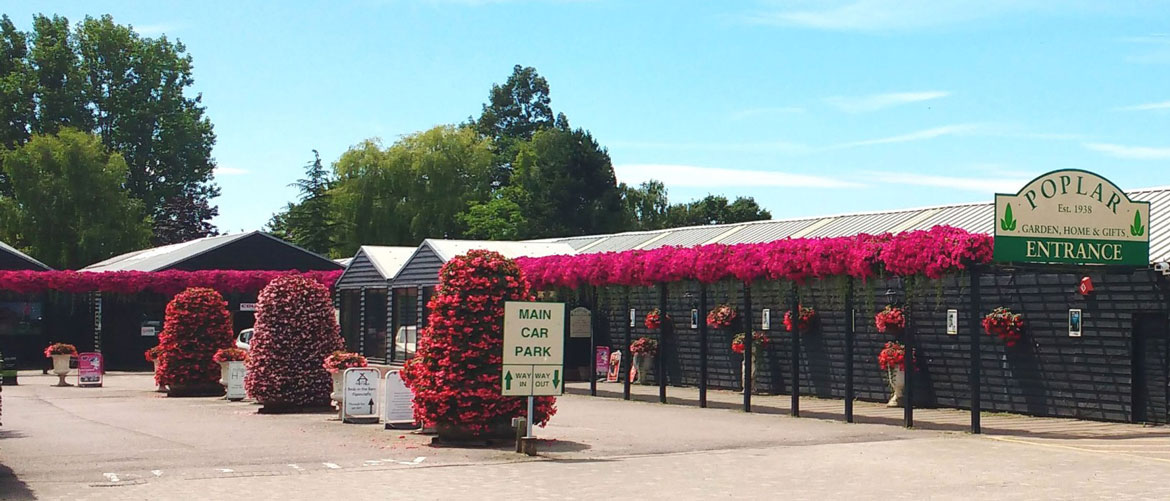
All recommendations in this guide are based on advice from our experienced nursery and horticultural team. If you need any extra assistance, visit Poplar Nurseries and speak with a member of our brilliant plant team, who will happily recommend the best plants for your garden and growing conditions!
Reviewed by the Poplar Nurseries Horticultural Team
Poplar Nurseries has been helping gardeners across Essex for decades. Our experienced horticulturalists and plant specialists provide practical advice on planting, pruning and seasonal garden care.