




What to Do With Your Pumpkin After Halloween
-
 Mon - Fri 8.30am -
5.00pm
- Sat 8.30am - 5.00pm
- Sun 9.30am - 4.00pm (Tills open 10am)
Halloween is just round the corner, which means pumpkins will soon be adorning doorsteps across the country (well, the globe). But have you thought about your pumpkin's fate after the big day? It's frightening really. Well, don't be spooked - Poplar Nurseries has some tips for you!
Use the pumpkin in the garden
We’ve seen lots of information online recommending recommending leaving leftover pumpkins out for wildlife. Whilst some animals may enjoy the tasty treat, pumpkin can cause problems for wildlife such as hedgehogs, so we wouldn't recommend leaving it on the ground for animals to eat.
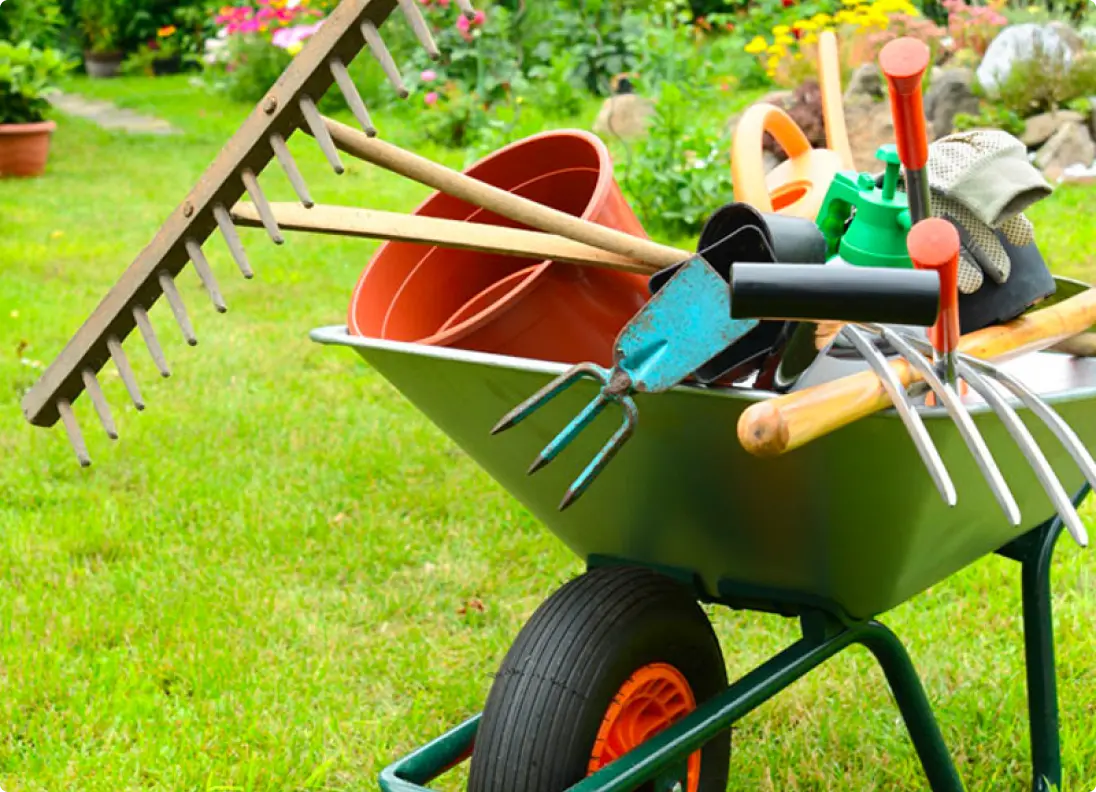
Instead, if you don’t have a compost heap, why not let your garden make use of it? Remove any candles, decorations and other non-compostable materials, chop the pumpkin into smaller pieces and bury it in the soil. Over time, it will break down and add organic matter back into your garden.
If your reason for leaving your pumpkin out was to give your garden wildlife a helping hand, there are still plenty of ways to do it. Providing fresh water and creating natural habitats with log piles, piles of fallen leaves and wildlife-friendly plants can all help make your garden a welcoming place for wildlife.
If you have any unused pumpkins, they can be used in the kitchen.
Never got around to carving your pumpkin, or simply bought too many? As long as you’ve bought an edible pumpkin (not a smaller, ornamental gourd) these bad boys can make quite the dish.
Whilst carving pumpkins can be a little more watery than pumpkins grown with food in mind, they’re brilliant for bulking out curries, soups and sauces, plus they’re packed with vitamin A, fibre, vitamin C and potassium! One top tip though: if it tastes bitter, DO NOT EAT IT! Whilst all varieties of carving pumpkin we sell at Poplar Nurseries are edible varieties, we would still recommend against eating any with a bitter taste, and certainly avoid eating smaller, ornamental gourds. They can still be added to your compost, though.
It is also important to note that you should never eat a pumpkin once it has been carved and left outside. Once open to the elements, it will begin to deteriorate and may become unsafe to eat, putting a bit of a dampener on your Halloween celebrations!
Save the seeds for growing next year
Fancy having a go at growing next year’s pumpkin? Luckily, you’ve got just the tools at your fingertips. Pumpkins are one of the easiest plants to grow - they just need a warm sunny site and plenty of water!
Preparation:
Scoop out the seeds from your pumpkin and clean them in water. You’re looking to remove all the pulp and stringy bits.
Pick out the healthiest looking seeds (you don’t need to save them all). Often, these will be the largest, plumpest ones.
Spread your chosen seeds out, either in a tray or on a bit of paper (they can’t be heaped) and leave them to dry. They should be left for approx. 1 week, out of direct sunlight.
Keep the seeds in a cool dry place in a paper bag, until planting time.
Planting:
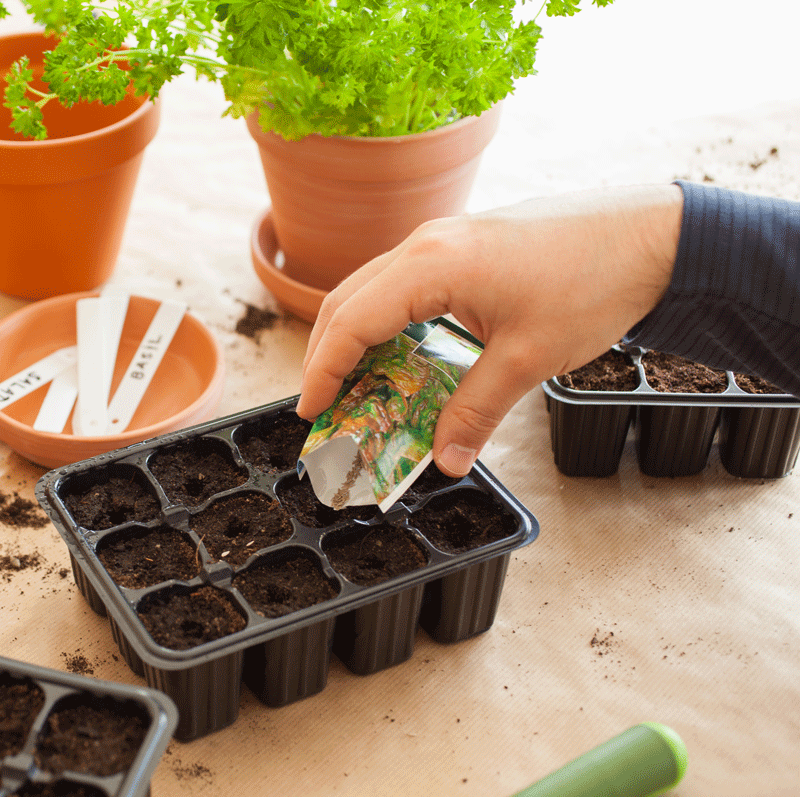
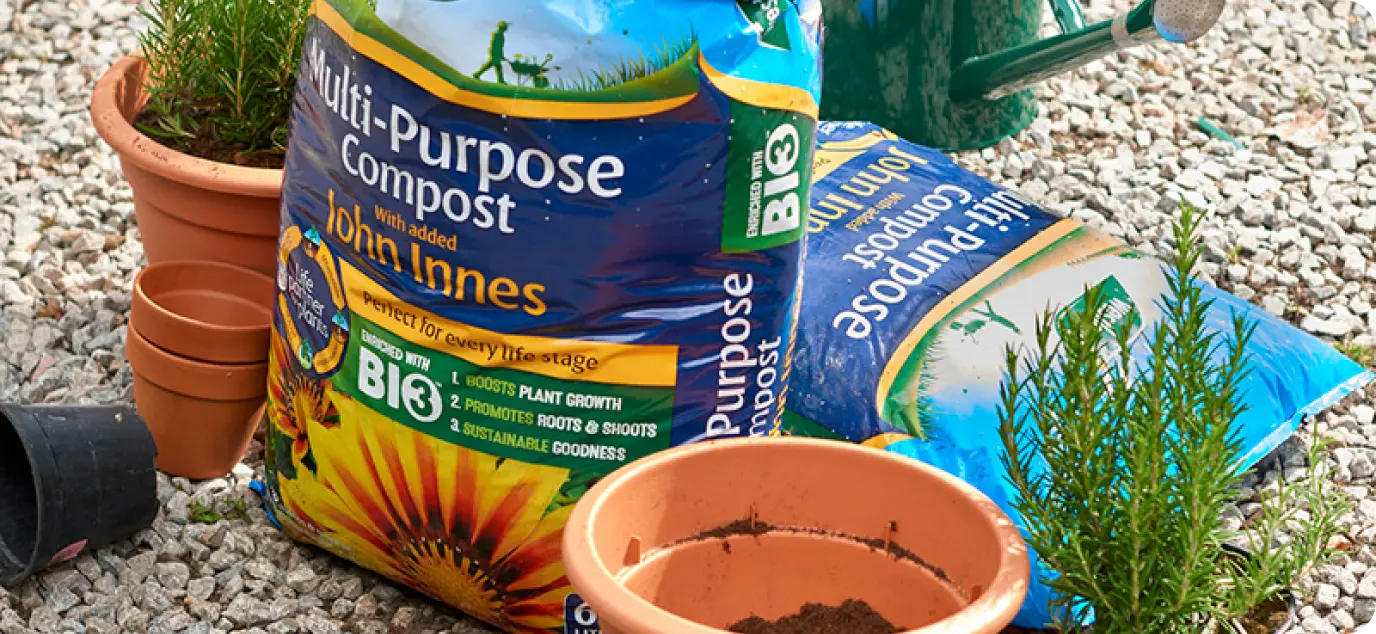
You’re best to start sowing your pumpkin seeds inside, in mid spring. Sow one seed in multi purpose compost into each 3-4 inch pot and keep them warm (on a sunny windowsill). Water regularly and do not allow to dry out.
Keep an eye on your seedlings - they may need to be repotted. If roots begin to appear through the drainage holes, the compost starts drying out very quickly or the plant simply looks too large for its pot, it's probably time to move it into a larger container.
Your seedlings will need acclimatising to outdoor conditions before being planted out permanently. Once the weather has warmed up, gradually harden them off over 1 to 2 weeks by placing them outside in a sheltered spot during the day, initially for just a few hours. Slowly increase the amount of time they spend outdoors before eventually leaving them out overnight. Keep an eye on the forecast and bring them back inside if cold weather is expected. Once the risk of frost has passed, they can be planted into their final position.
After the last frost, and your plants have been hardened, they’re now ready to be planted. Pick a sunny spot and dig your hole about twice the size of the the seedlings pot (at least one metre required between each plant). Fill the bottom of the hole with a multipurpose compost and place seedling in, filling with multipurpose compost. Ensure they stay well watered.
Add a layer of mulch or compost around the plant too. This will help the soil retain moisture and can suppress weeds. Young pumpkin plants can be vulnerable to slugs and snails, so it's worth keeping an eye out for them. You can find more information about protecting your plants from slugs and snails here - https://www.rhs.org.uk/biodiversity/slugs-and-snails.
Growing Tips:
Once fruits appear, place a tile, brick or piece of wood underneath new fruits to help avoid rotting (which can happen if fruits rest on the ground)
Make sure to keep your pumpkins in full light - removing leaves which block the sun excessively (though don’t strip the plant too much)
Let the pumpkins mature and reach full colour before harvesting - keep them on the plants for as long as possible, but harvest prior to the first frost.
I haven’t got time for any of that…
Do not fret, the ghost of your pumpkin WILL NOT haunt you if you have to dispose of it! If you don’t have a compost heap, haven’t got a leftover pumpkin in sight for a soup, or simply haven’t got the time to grow your own next year, you can still dispose of your pumpkin responsibly, giving your bright orange Halloween pal a new lease of life beyond October.
Simply ensure all non-compostable parts have been removed (candles, decorations etc.), cut or break your pumpkin into manageable pieces and place it in your food/garden waste collection bin.
Whilst composting directly at home is a brilliant option, for some it’s just not practical. Keeping your pumpkin out of the black bin means it still has the opportunity to be put to good use rather than going to waste.
You never know, this year’s pumpkin may help next year’s flourish!